
The Vitamin Series- Vitamin A
- Ashley French

- Dec 6, 2025
- 3 min read
Updated: Dec 7, 2025
Vitamin A (Retinol) is not very difficult to find in food. Deficiencies are not super common, especially in the United States. Vitamin A is most commonly known as the "vision vitamin" because it's necessary for vision function. It is a fat-soluble vitamin which means that you must consume fats in order to properly absorb it. It's also crucial for immune function, reproduction, cell growth, and the healthy function of your heart, lungs, and kidneys.
Deficiency symptoms include night blindness (nyctalopia), dry eyes (xerophthalmia), and potentially irreversible blindness with Bitot spots, corneal ulcers, and clouding (keratomalacia). Other signs include weakened immunity (frequent infections), dry/scaly skin, poor wound healing, stunted growth in children, infertility, and fatigue.
Where To Find Vitamin A
Now where can you find vitamin A in food? Getting your vitamin A from whole foods, particularly animal foods, will be your best bet and much easier to assimilate. Remember that all plant-based foods contain beta-carotene which the body must convert into vitamin A (Retinol). So it will be a little harder for your body to absorb, but is still beneficial!
#1- Liver

The best source of vitamin A is liver. Just one ounce of beef liver will give you your DV of vitamin A. This is preformed vitamin A which means it is more bioavailable and easier to absorb. Cooking your liver in grass-fed butter or tallow will help with the protection and absorption of vitamin A due to the vitamin E found in these two fats.
#2- Cod Liver Oil
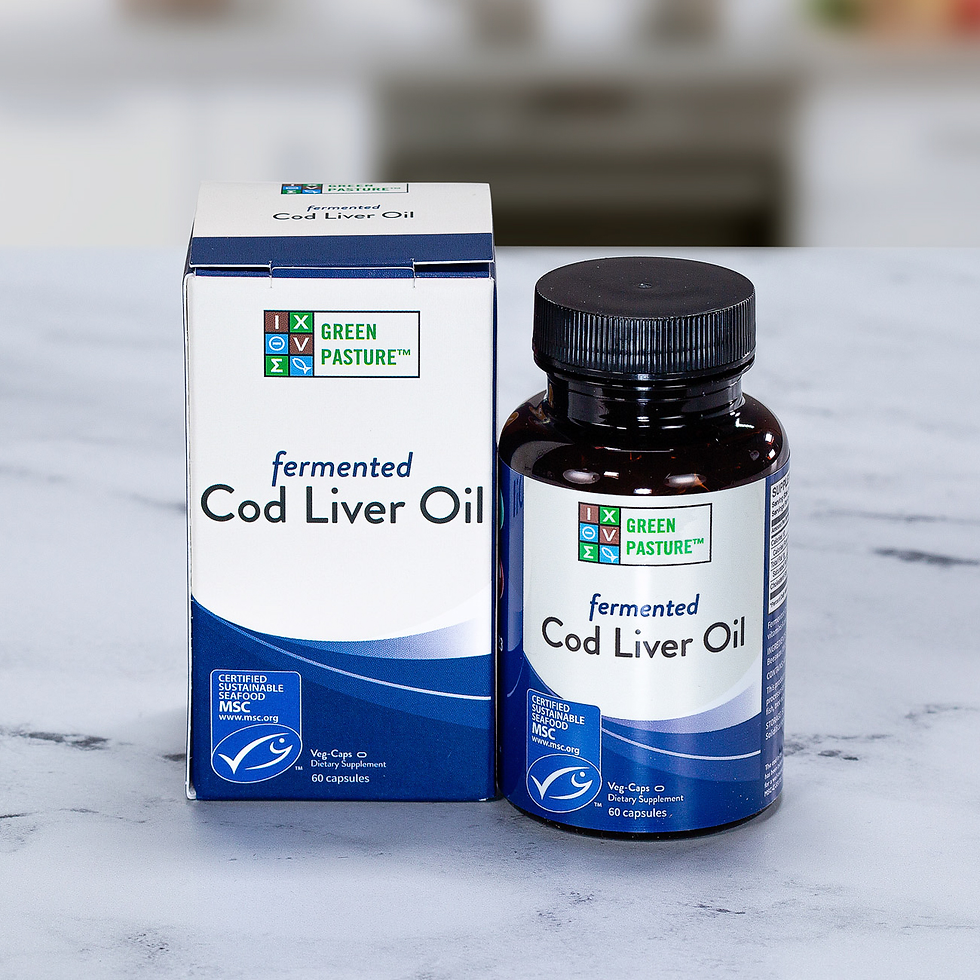
Taking 1 teaspoon of cod liver oil will give you your DV of vitamin A. It's very concentrated so you really don't need much. Taking it with a meal that includes fats is recommended for ultimate absorption. This is my favorite brand, Green Pasture. I've been using their products for years and the quality has always been impressive.
#3- Sweet Potato

Sweet potatoes are an outstanding source of Vitamin A, making them one of the most
accessible and potent plant-based foods for this essential nutrient. Their vibrant orange color is a visual indicator of their high concentration of beta-carotene, a powerful provitamin A carotenoid that the body efficiently converts into active Vitamin A (retinol). Just one medium, baked sweet potato contains well over 150% of the recommended Daily Value (DV).
#4- Carrots (cooked)

A single cup of cooked carrots can supply nearly 150% of the adult Daily Value for Vitamin A. Furthermore, cooking carrots—especially with a touch of oil—breaks down their tough cell walls, significantly boosting the bioavailability of the beta-carotene, making it easier for your body to absorb and utilize.
#5- Spinach (cooked)

The dark, intense green color of spinach indicates its high density of several beneficial compounds. While raw spinach contains a good amount of Vitamin A, cooking the leaves is highly recommended to maximize the benefits. Cooking not only reduces the volume, allowing you to consume a much larger quantity—often supplying over 100% of the Daily Value in a single cup of cooked spinach—but the heat also helps break down the plant's rigid cell walls.
There are many other foods like cheese, milk, squash, cantaloupe, and peppers that contain good amounts of vitamin A. So you see how that when you eat a variety of whole foods that it is very easy to get the right amount of vitamin A daily and you don't have to supplement!
Comments